
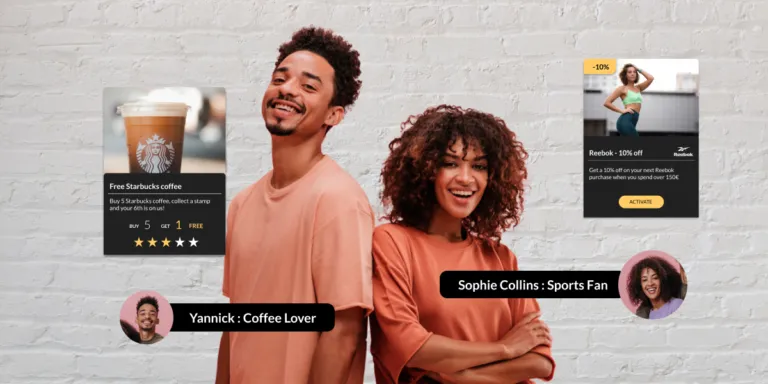
There are specific psychological triggers that draw customers to certain types of promotions and encourage them to buy.
Research shows that when shoppers find a good offer, it actually leads to feel excited and happy, and they have increased levels of the “feel good” hormone known as oxytocin.
These are some of the important questions about coupons & personalization that you’ll answer in this article:
- How to improve retail results with coupons?
- How to personalize coupons?
- How to use segmentation in coupon marketing?
- How to use gamification techniques in coupon marketing?
- How to use anchoring in coupon marketing?
- How to use copywriting in your coupon marketing?
- How long should the discount last in coupon marketing?
- How to avoid backlash in coupon marketing?
- How to use coupons as part of a loyalty program?
- How do retailers distribute coupons?
On top of making people feel good, discounts give consumers agency. Buyers will continue to seek out deals to keep those good feelings flowing. And this may motivate them to pull the trigger and convert, even if they were previously on the fence about purchasing.
Using coupons, retailers can encourage customers to:
- Add specific items to their cart including excess inventory, higher-margin products or out-of-season goods
- Discover new, related products to complement product launches
- Spend above a specified minimum order total
- Reduce cart abandonment
- Boost overall revenue
- and more!
Before an enterprise retailer deploys a coupon marketing strategy, he or she should determine what he wants to accomplish.
Let’s dive into examples of how coupons help retailers with their sales and revenue goals:
1. Coupons to boost customer acquisition
Whether a retailer wants to enter new markets and offer an incentive for first purchases or give a referral discount, coupon campaigns are a fantastic way to bring in new customers.
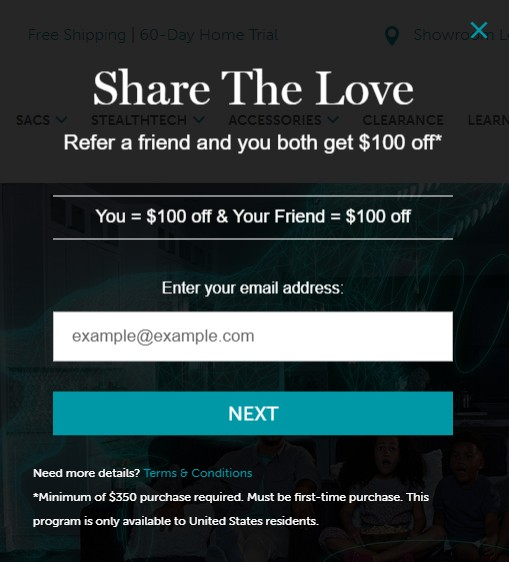
2. Coupons to boost sales of a specific product
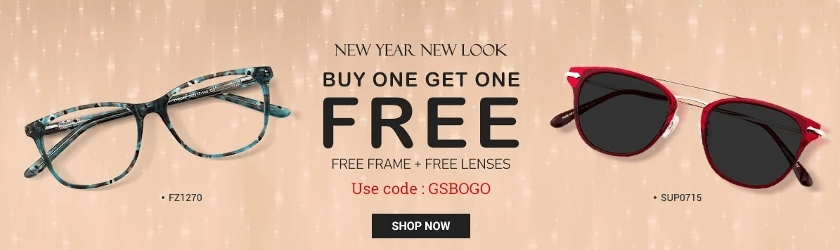
Some products or services are seasonal or their sales drop slightly in specific seasons. Retailers can improve sales in those times by using discount coupons. A good example is fashion retailers that want to move their inventory with high converting personalized coupons before entering the sales season.
Some products close to expiry or are slow-moving. With coupons, retailers can grow sales and get rid of stock with a discount voucher or a bundle offer.
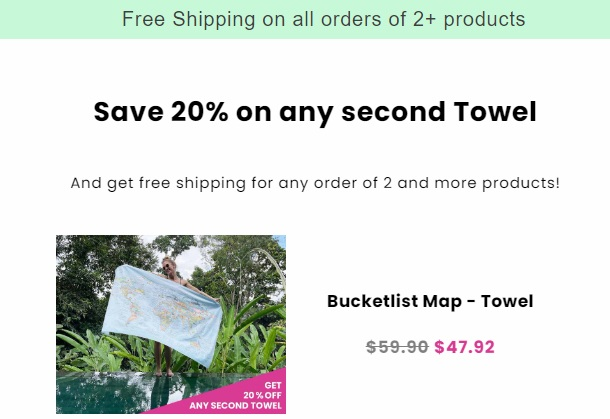
3. Coupons to increase the basket value
Retailers can motivate shoppers to add more items to their basket to get the desired discount or free shipping. The best way to do it is to display how much is missing to reach a specific deal directly in the basket.
4. Coupons to re-engage lapsing customers
Retailers can activate lapsing or lapsed customers by sending them a limited-time offer containing a discount voucher.
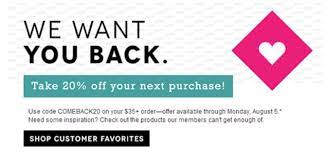
5. Coupons to collect customer data or marketing consent
43% of shoppers are willing to share personal data with brands in order to save money. Retailers can offer coupons to incentivize customers to subscribe to their newsletter, join their loyalty program, create and complete a profile, give cookie consent and more.
A very popular coupon strategy is to offer a discount for the first purchase after a newsletter subscription.
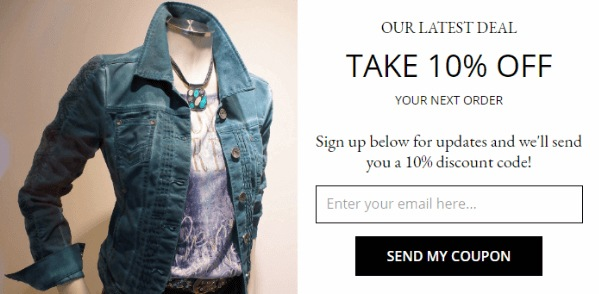
6. Coupons for customer service complaints
When a retailer faces a complaint, he can recover the trust and loyalty from his customer with a “sorry coupon” that shows appreciation for the customer.
7. Coupons to get customer feedback
Retailers can use coupons to encourage customers to take part in a short survey about their brand. Finding out more about their preferences, needs and pain points has enormous value to a retailer.
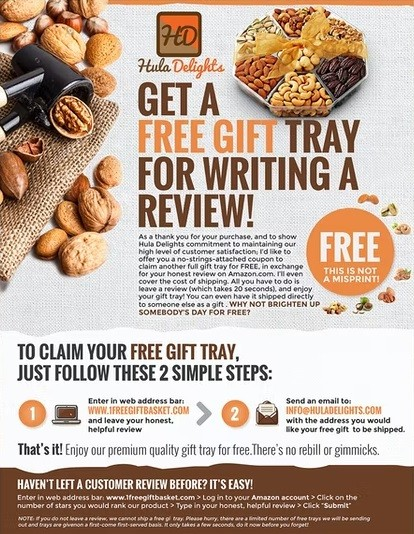
8. Coupons to get customer reviews
By giving vouchers, retailers can incentivize user-generated content or reviews.
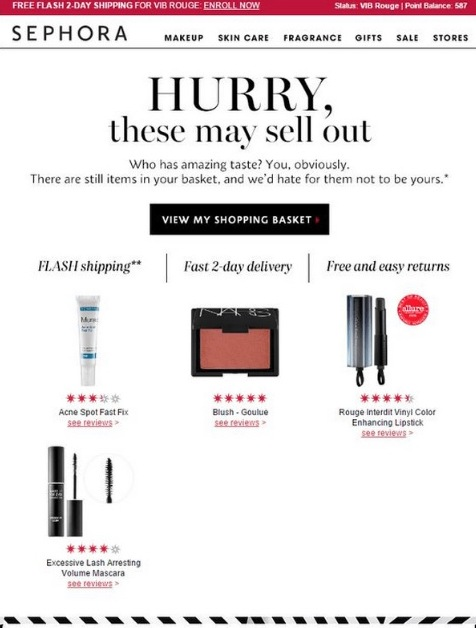
9. Coupons to decrease cart abandonment
Coupon marketing can be a tool to decrease online cart abandonment. Retailers can send emails, SMS, ads or push notifications when the customer abandons their basket, offering a special deal if they complete their purchase within a specific time limit.
10. Coupons to encourage customers to download your app
Retailers can motivate customers to download their app by offering app-only coupon discounts or a special voucher.
How to personalize coupons?
It’s not enough to give customers promotions and discounts — consumers expect deals and offers to be personalised and give them more of what they want from a retail business.
According to online coupon statistics, 53% of consumers want coupon deals tailored to their shopping habits.
(Source: Inmar)
Examples of personalized coupons include birthday discounts, anniversary discounts from the first time they made a purchase with a brand, or promotions based on how long it’s been since their last purchase.
The goal of personalisation is to make the customer feel like the brand is offering them something exclusive — something specially for them. If customers feel valued, they will be more likely to respond.
Loyal Guru’s offer personalization module allows retailers to create millions of single-use promo codes at scale. Retailers can tailor the level of discount or type of promotion to match individual shoppers’ past purchases, interests or behavior.
How to use segmentation in coupon marketing?
Retailers today have technology available to segment their offers with incredible granularity.
They should identify the factors that differentiate customer preferences and shopping behaviors in their CDP and segment coupons accordingly.
Some segmentation examples include:
- Segments based on age
- Family situation segments – married, single, with or without children, pets in the household
- Occupation-based segments – employed, self-employed, industry sector, job position
- Location-based segments – postal code, city, state, geolocation
- Revenue-based segments – monthly or yearly revenue per customer
- Activity-based segments – number of orders, total amount spent
- Favorite category segments
For example, a fashion retailer can create a 20% off coupon for children’s clothing only for customers in France, aged 25–40, who have purchased before and who have children or have bought from the children’s category. This level of personalization requires a powerful retail-specific customer data platform with coupon automation capabilities.
How to use gamification techniques in coupon marketing?
Retailers can incorporate gamification into their coupon marketing strategy in fun and engaging ways:
- Mystery prize. Offer discounts of unknown quantity for completing actions like clicking an email link. Clearly communicate the range of possible rewards.
- First to claim. Diminishing discounts (e.g., first 10 customers get 30%, next 10 get 20%, etc.) motivate quick action.
- Collect and save. Encourage customers to collect themed items to unlock a voucher reward.
How to use anchoring in coupon marketing?
The first price shoppers see becomes the anchor they use to measure value. To make a discount look significant, retailers should display the original price first, followed by the discounted price.
How to use copywriting in your coupon marketing?
Wording has a big impact on how people perceive discounts. Retailers should test different messages:
- “Get $ off” emphasizes achieving a gain, while “Save $” emphasizes avoiding a loss.
- Percentage vs dollar discounts:
- Percentage discounts are more appealing for items under $100.
- Dollar-off discounts work better for items over $100.
How long should the discount last in coupon marketing?
Retailers should carefully consider the duration of discounts. If they last too long, urgency is lost.
Deadlines should be clearly communicated. Personalized offer modules can set individual expiry dates and trigger reminders when a coupon is about to expire.
How to avoid backlash in coupon marketing?
Discounts can create ambiguity:
Why is it discounted? Is something wrong with it?
Retailers should provide a reason for the discount to avoid suspicion.
Important tip: Consumers must be able to quickly and easily calculate the discount.
People don’t like doing complex math. Simple discounts are perceived as bigger and more attractive.
For example:
- $15 discounted to $10 → easy to see $5 savings
- $14.99 discounted to $9.56 → harder to quickly calculate
Make discounts clear and simple.
How to use coupons as part of a loyalty program?
Coupons can build loyalty by:
- Re-engaging lapsing customers
- Incentivizing new members to join
- Rewarding loyal customers with exclusive discounts
Discounts are a powerful way to build perceived value among a retailer’s most loyal customers.
How do retailers distribute coupons?
Based on distribution channel, coupons can be physical or digital.
Physical coupons
- Postcard coupons
- Newspaper inserts
- Coupon ad flyers
- Direct mail coupons
- Printed coupon ads attached to products
- Coupons printed on receipts
Digital coupons
- Social posts
- Web banners and pop-ups
- Emails
- SMS
- App notifications
- Personalized landing pages
Conclusion
Once a retailer has a CDP in place, full of quality data, they can connect a coupon management software to quickly and easily create personalized coupons.
Personalization for millions of customers cannot be managed manually at scale. Enterprise retailers are better off investing in coupon marketing software that supports automation.
Download the Martech Cheatsheet PDF >>>
Having a specialized coupon management system saves development time, reduces resource usage, and cuts time-to-market compared to limited or custom-built solutions.
If you are considering whether to build or buy a coupon management system, get in touch with our team — we’ll be happy to show you examples or discuss your brand’s unique challenges.